

Our building
The parish church of St Stephen’s was designed by architect Robert Chantrell, who also designed Leeds Parish Church (now Leeds Minster), and was consecrated on 25th September 1829. It became a Grade II listed building on 5th August 1976.

Its building was funded in part by a donation of £500 by Sir Sandford Graham, a significant landowner in the area, and in part by a parliamentary grant made under the 1818 ‘Church Building Act’ to fund new churches in expanding industrial towns. After a surge in population during the industrial revolution, many new churches were needed.
When it was first built, St Stephen’s contained only a rectangular nave, a small chancel, a tower, and a spire. But the local population continued to grow and so by 1860 it was clear that enlargement was needed. So the nave was extended eastwards and the north and south transepts were added, almost doubling the size of the original church. This is also the time when the current open-beamed roof was added, along with choir stalls, prayer desks, and pulpit, all made of oak.
A final set of alterations was made in 1893 to 1894, when the east wall was shifted back a new reredos (a large decorative altarpiece) was added. These changes required the floor to be raised to allow access to graves on the east side, and thus the ‘Oastler Vault’ was constructed.
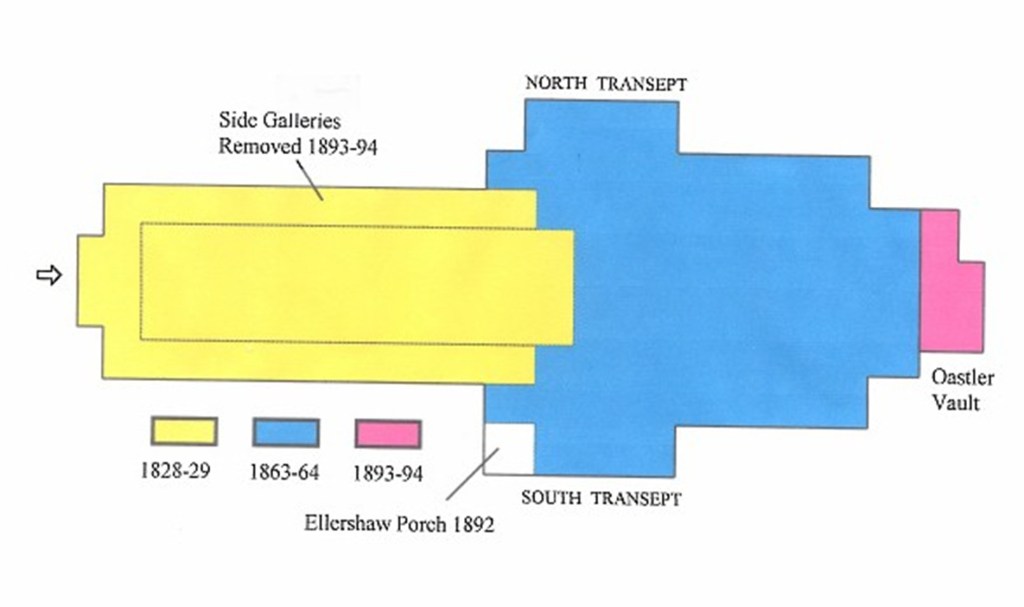
No major structural alterations have taken place since 1894, but in 2008 a meeting room and toilets were added in the entrance hall, and in 2010 a small kitchen was installed in the north transept.
In 2013 extensive repair work was carried out to re-roof the south-east of the church, and to repair masonry, plasterwork, decorations and lighting. This all cost a whopping £189,000, which was partially covered by a £129,000 English Heritage grant.
It is now clear that our church building is very much loved, and we hope it will be a source of spiritual comfort for many years to come.
The windows
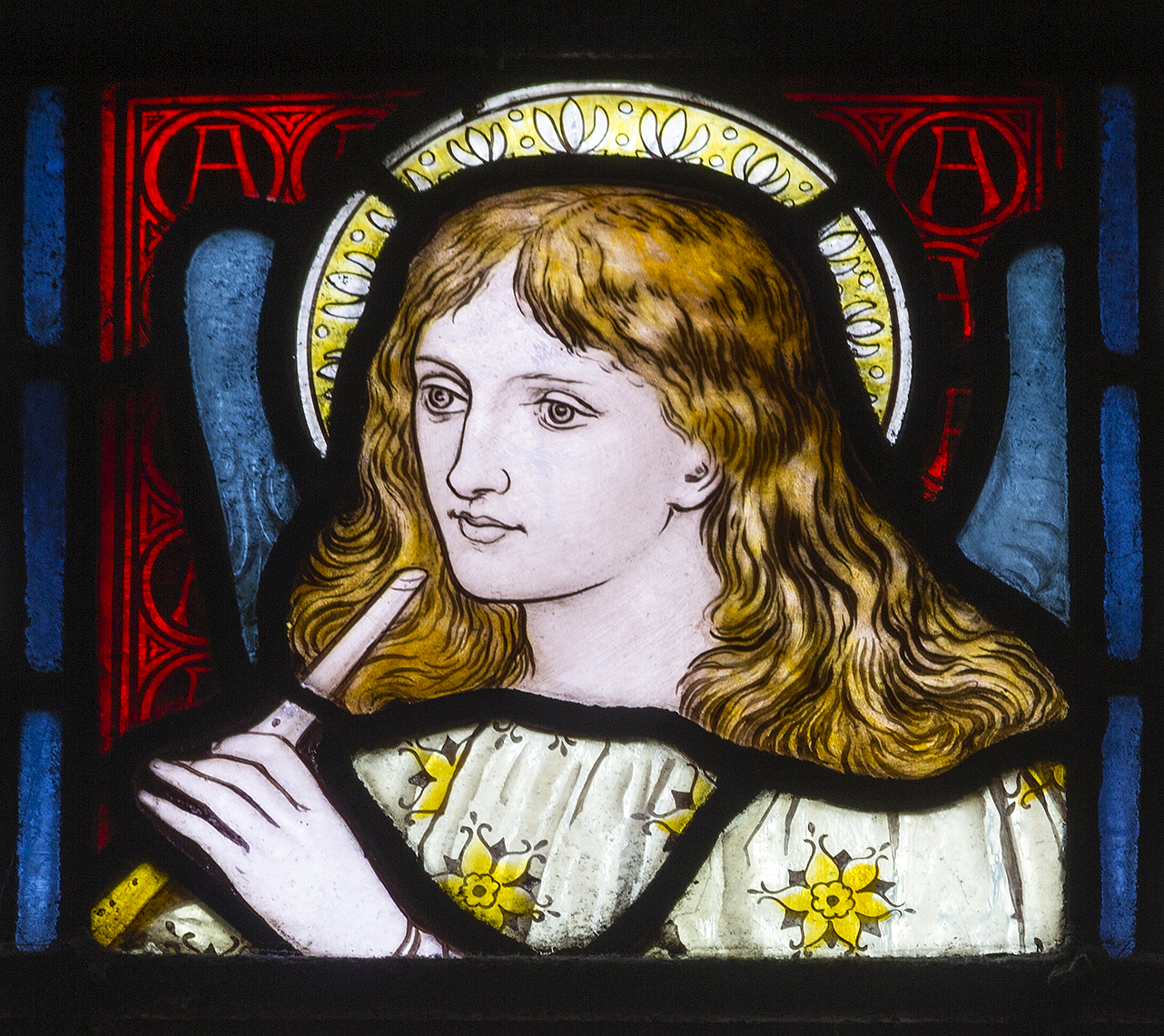
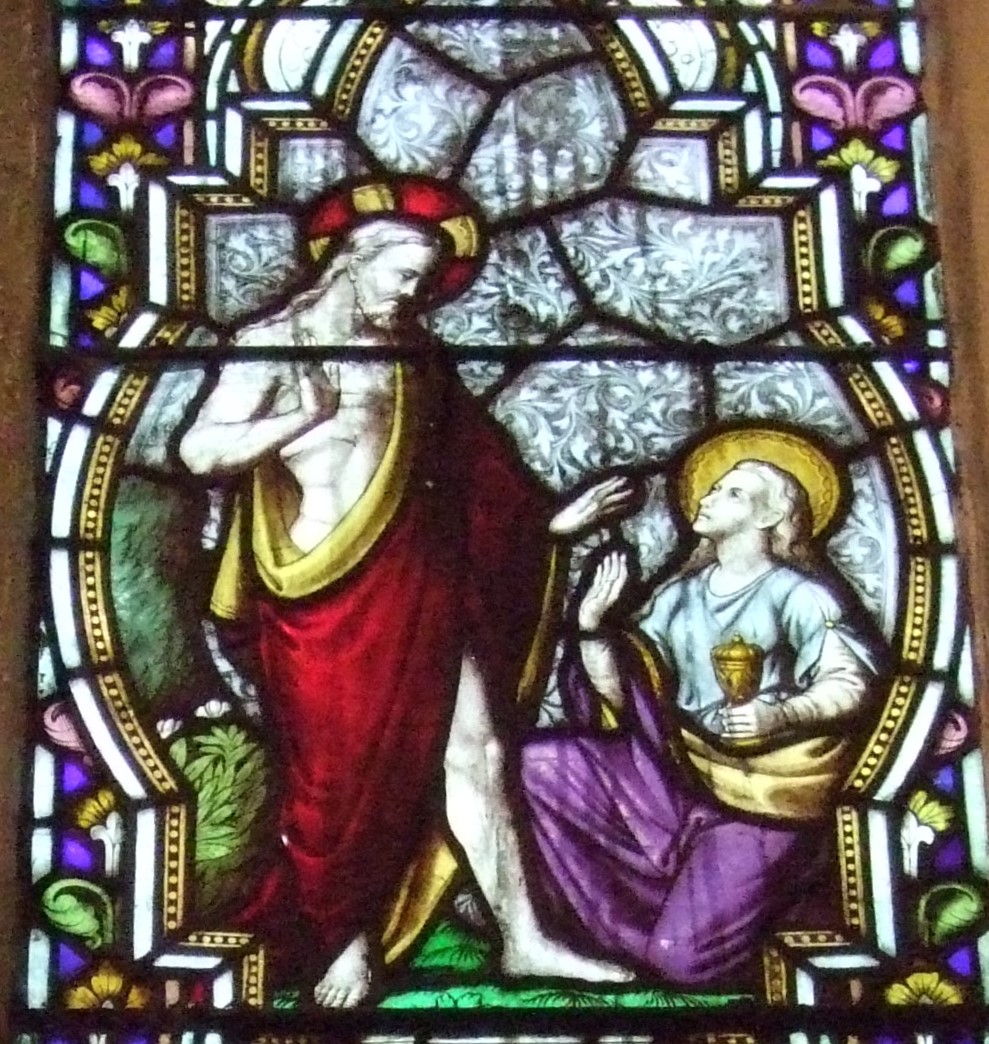
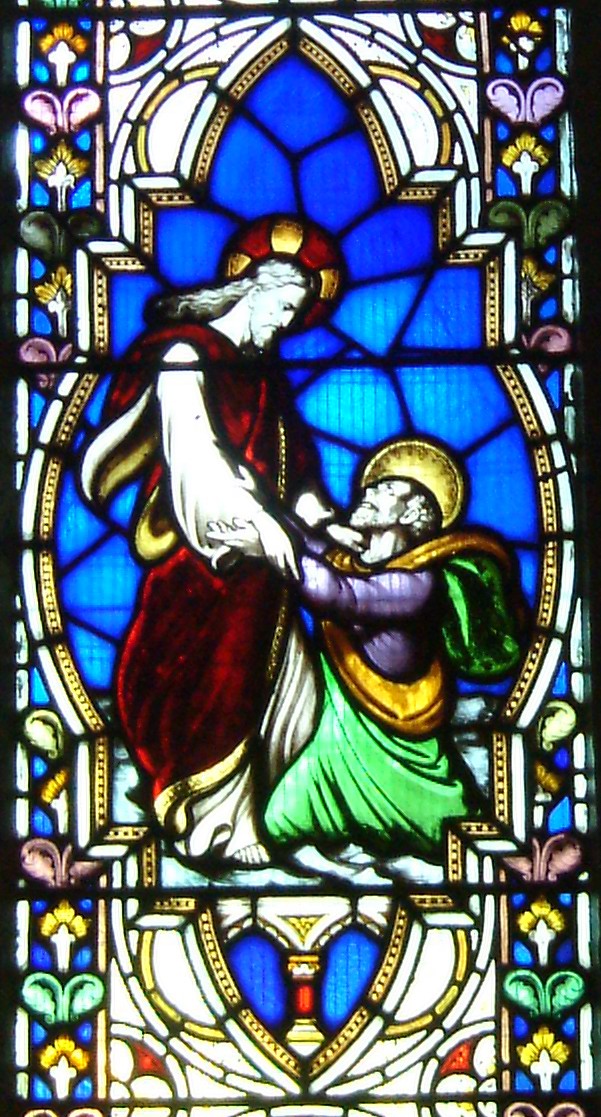
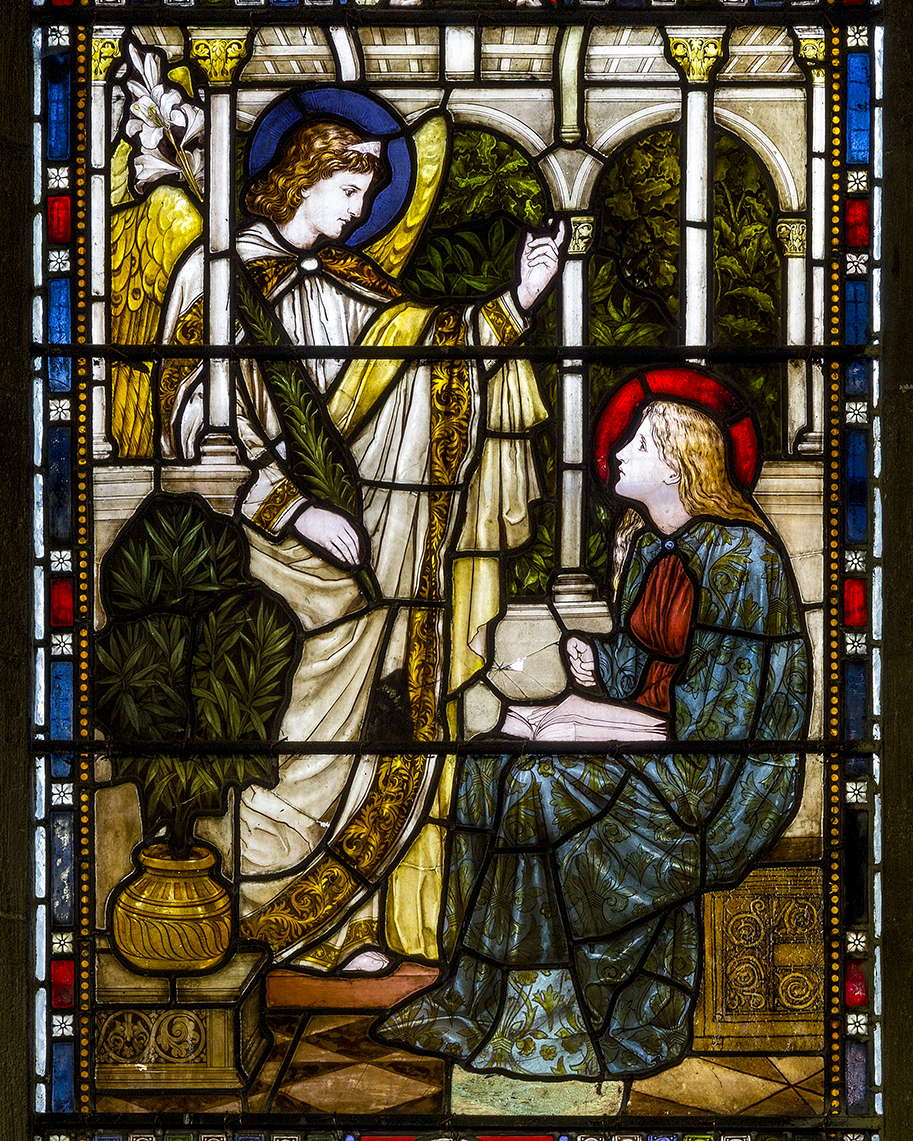
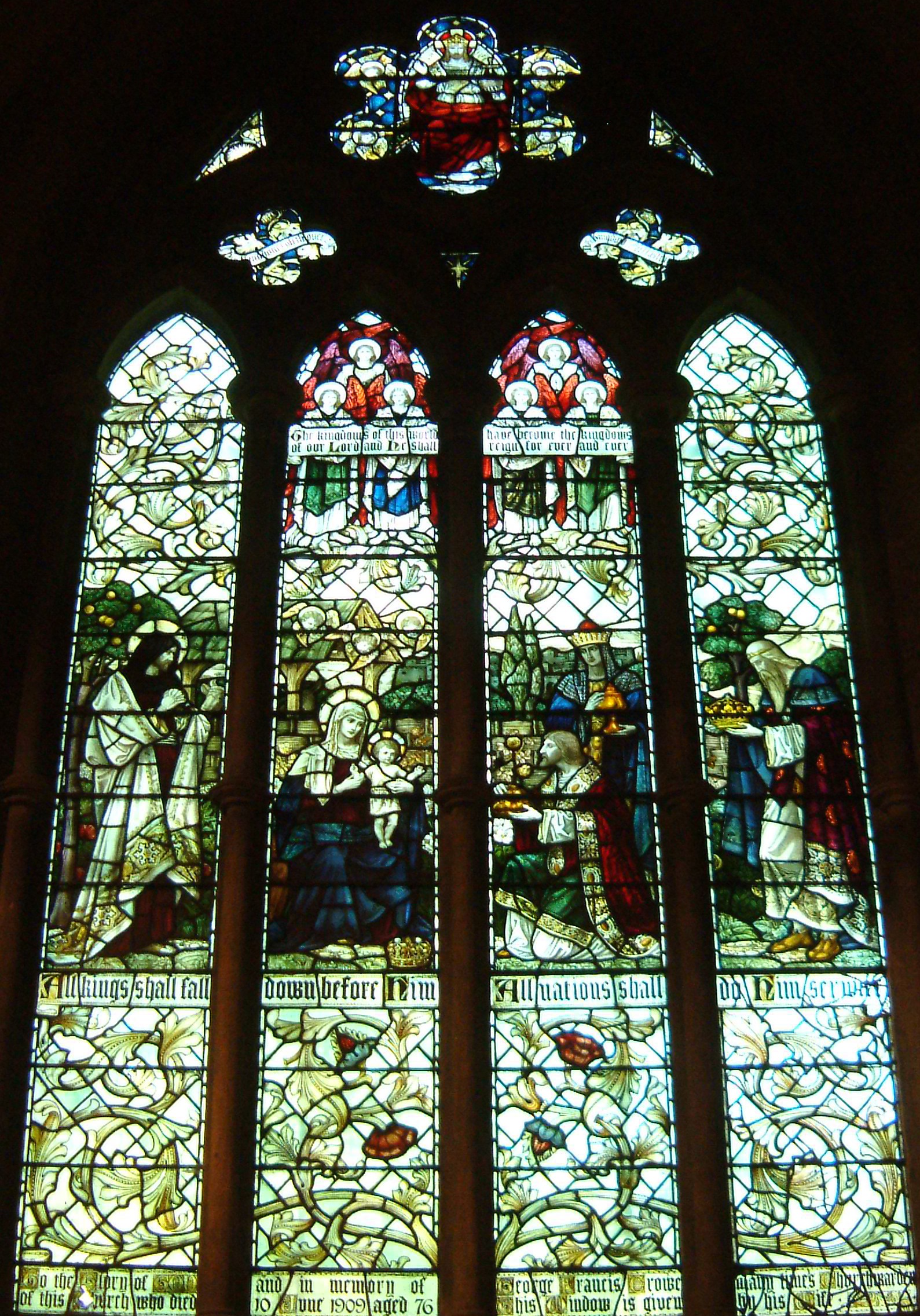
St Stephen’s church has a beautiful array of stained glass windows.
These are just a few of them!







The bells
At St Stephen’s we have eight bells in our bell tower, which can play a huge variety of melodies. Though one of these had to be replaced in 1955, the other seven remain from 1886!
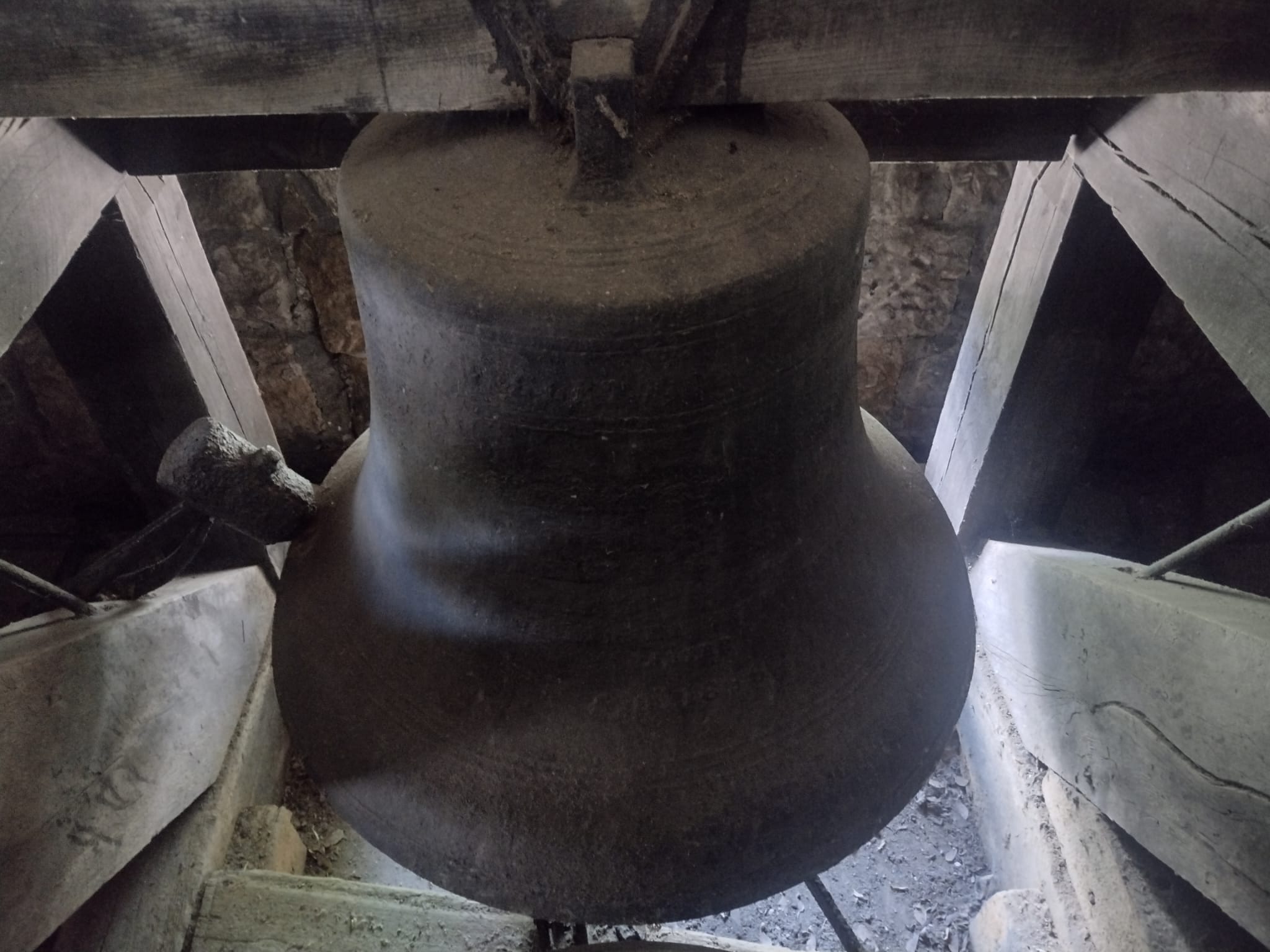

The bells work using an ‘Ellacombe apparatus’. The ropes, which hang vertically and are pulled outwards to ring, can even be operated by just one person.

To find out much more about the bells, pick up a leaflet in the entrance hall of the church!
The clock tower
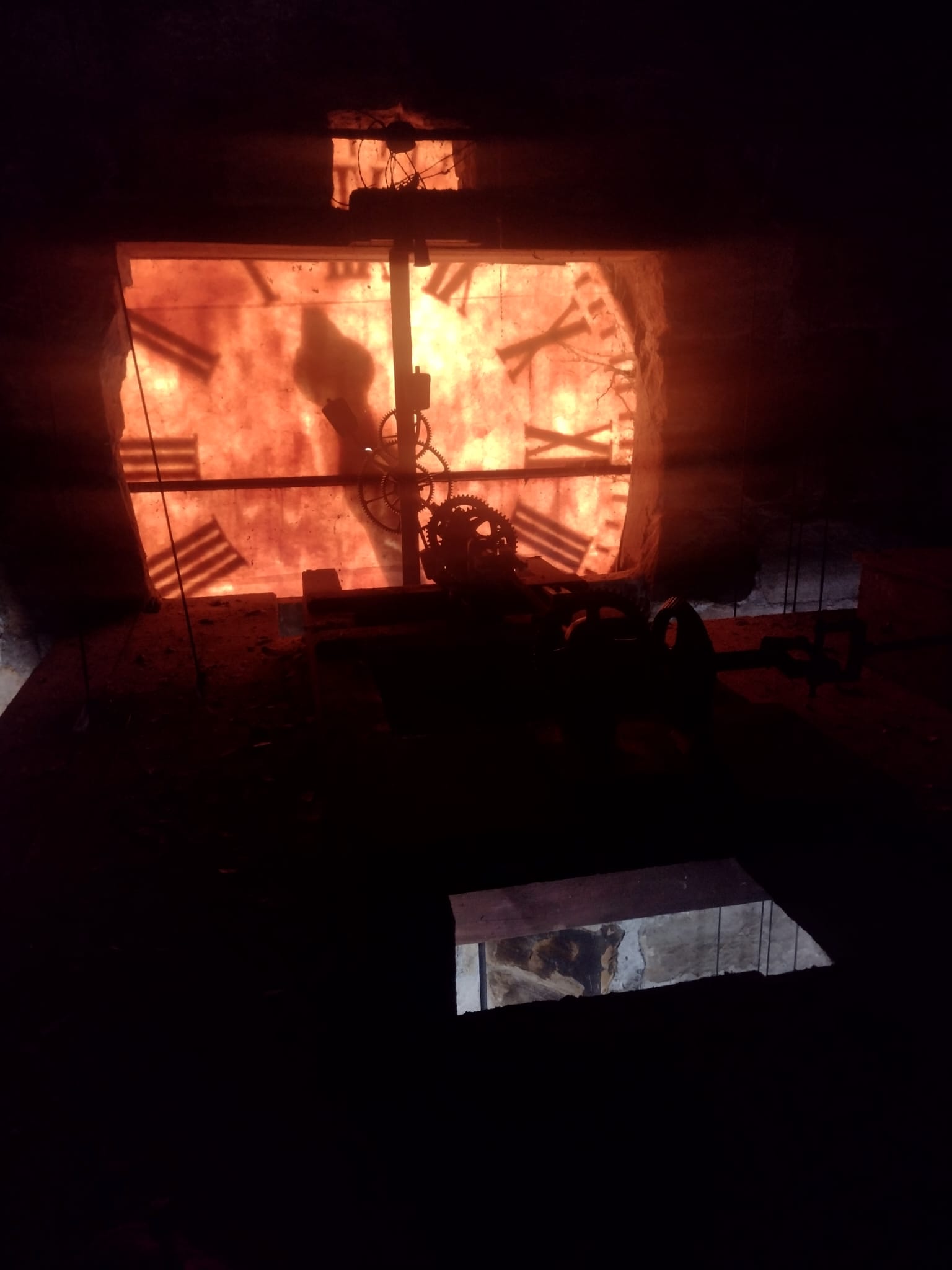
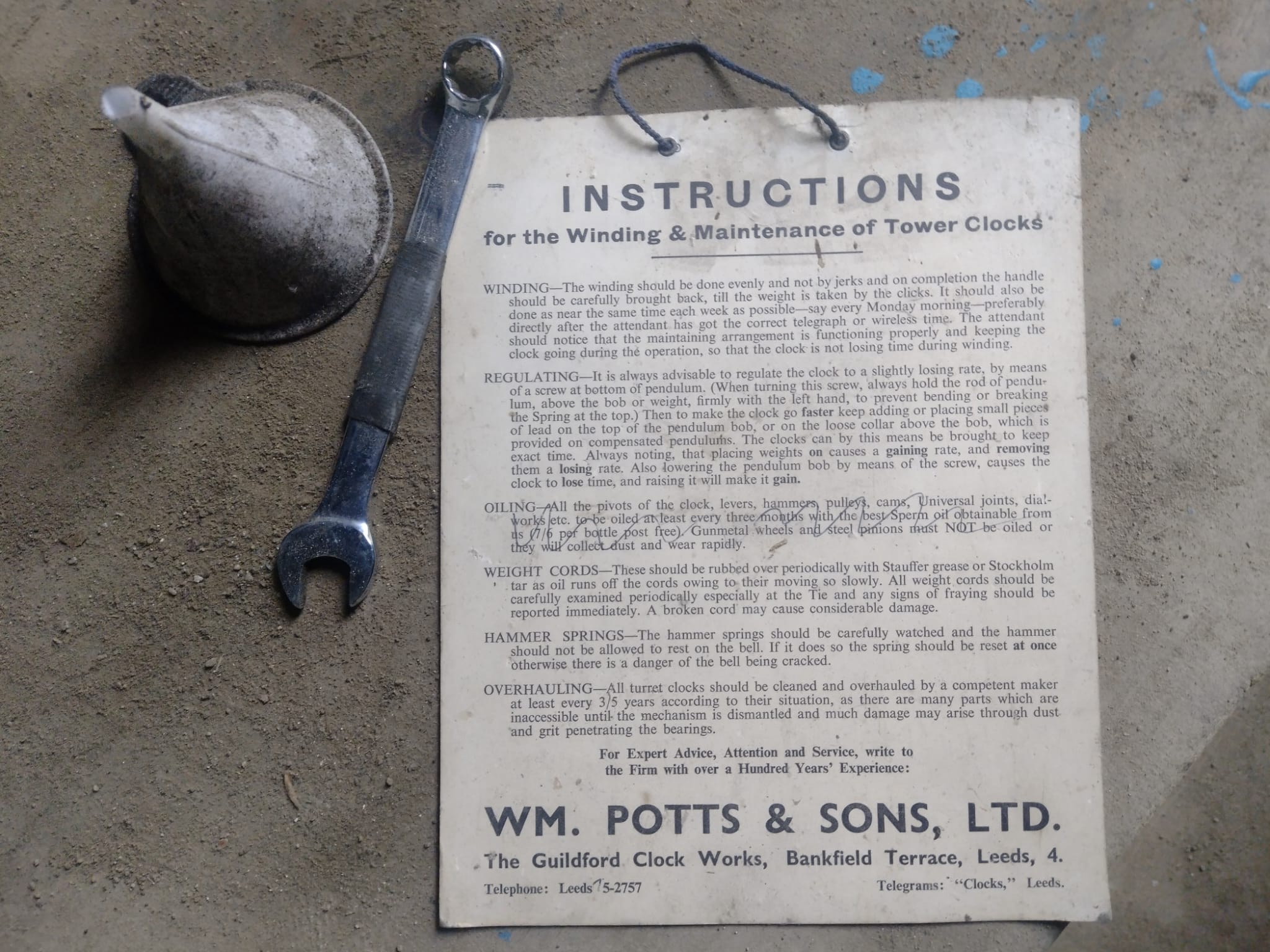
St Stephen’s belfry houses a clock in its tower, which has two faces (north and east facing) and was manufactured by the very famous Leeds-based clock company William Potts.

A history of Christianity in Kirkstall
The founding of Kirkstall Abbey
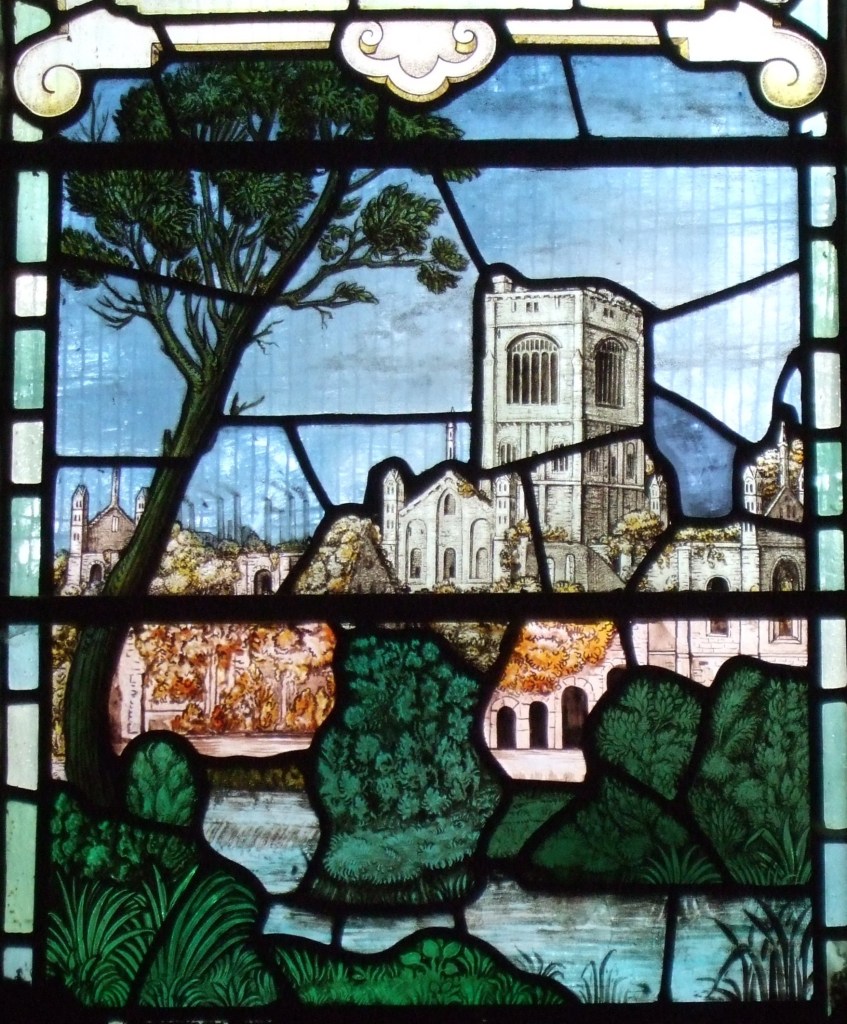
Christian worship in Kirkstall far predates our church. In around 1152, Cistercian monks from Fountains Abbey chose a forest by the river Aire as the site for a new monastery. With the permission of Baron de Lacy of West Riding, they bought the land and by 1182 had built most of Kirkstall Abbey, dedicated to the Virgin Mary.
The abbey played a large part in local life, as residents would routinely attend services at the granges around the Headingley area.
In 1539 however, Kirkstall Abbey was surrendered to the commissioners of Henry VIII, and dissolved. All of the monks were granted pensions.
Kirkstall Forge and the Butler family
Much later in history, in the 17th century, a chapel was built at Kirkstall Forge so that its workers could attend a weekly service. In 1779 this was rented by partners Butlers and Beecrofts. St Stephen’s is perhaps most closely linked descendent of that chapel, and the Butler family have remained closely connected to St Stephen’s to this day, providing financial help as well as participating for many years in the life of the church.
Richard Oastler (1789-1861)
Richard Oastler (20 December 1789 – 22 August 1861) was a passionate campaigner for workers’ rights, and was often referred to as the ‘Factory King’. His Christian beliefs led him to lead the ‘Ten Hour Movement’, pushing for reduced hours and better conditions for children working in factories.
“Christians should feel and act for those whom Christ so eminently loved, and declared that of such is the Kingdom of Heaven”
Richard Oastler, in his letter to the Leeds Mercury, 1830
Though he suffered the loss of his job and imprisonment for debt, he was later rewarded for his efforts by the passing of the 1847 ‘Factories Act’.
Though we do not know exactly why he wished to be buried in St Stephen’s church, local legend suggests he passed by the church, was struck by its beauty, and decided it was where he wished to be laid to rest. Additionally, its proximity to the mills, whose workers he had so passionately defended, might also have attracted him.
Along with members of his family, Richard was buried in what is now the Oastler Vault.
Who was Saint Stephen?
Patron saint of: Stonemasons and Proto-Martyr
Feast day: 26th December
The name Stephen means “crown”. Stephen was the first disciple of Jesus to receive the martyr’s crown and he was a deacon in the early Christian Church. The apostles found that they needed helpers to see to the care of widows and the poor, so they ordained seven deacons; Stephen is the most famous of these.
God worked many miracles through Saint Stephen and he spoke with such wisdom and grace that many of his hearers became followers of Jesus. The enemies of the Church of Jesus were furious to see how successful Stephen’s preaching was. At last, they laid a plot for him. They could not answer his wise argument, so they made men lie about him, saying that he had spoken sinfully against God. St Stephen faced that great assembly of enemies without fear. In fact, the Bible says that his face looked like the face of an angel.
The saint spoke about Jesus, proclaiming that He was the Saviour that God had promised to send. He scolded his enemies for not having believed in Jesus. At that, they rose up in great anger and shouted at him, but Stephen looked up to Heaven and said that he saw the heavens opening and Jesus standing at the right hand of God.
His hearers plugged their ears and refused to listen to another word. They dragged Saint Stephen outside the city of Jerusalem and stoned him to death. The saint prayed, “Lord Jesus, receive my spirit!” and then he fell to his knees begging God not to punish his enemies for killing him.
 St Stephen’s Church, Kirkstall